
Off-Grid EV Charging Station: How Solar, Battery Storage and DC Charging Work Together
An off-grid EV charging station sounds easy on a sunny day. Panels make power, the car takes power, and everyone feels clever. Then a cloudy week arrives, a second vehicle shows up low, and the system has to prove it was designed for real life.
Off-grid means the site operates without a normal utility connection. A microgrid is a small local power system that can generate, store, and manage electricity for its own loads. The National Renewable Energy Laboratory’s PVWatts and REopt tools both point to the same lesson: solar output and demand have to be modeled over time.
Start With the Vehicles
The first question is not how many panels fit on the roof. It is how much energy the vehicles need each day. A weekend cabin, remote farm, park facility, and small fleet depot all have different charging patterns.
Daily miles, vehicle efficiency, parking time, seasonal weather, and backup needs shape the design. Once the load is clear, the solar array and battery can be sized around it.
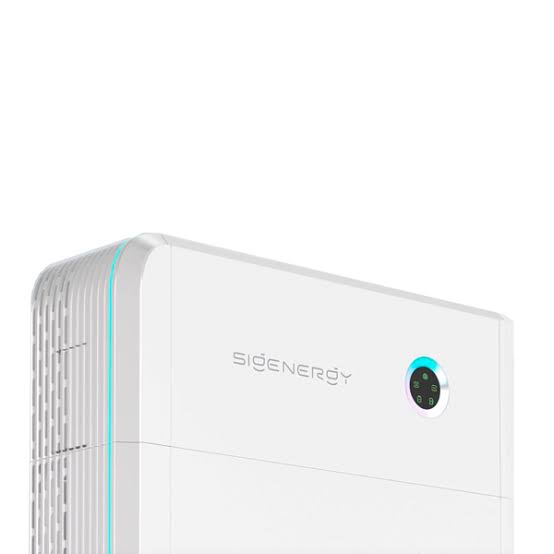
According to Sigenergy product information, SigenStor combines a solar inverter, EV DC charger, battery PCS, battery pack, and energy management system in a 5-in-1 architecture. That kind of integration is useful where the grid is not available to cover mistakes.
The design should also include non-vehicle loads. Lights, routers, security systems, well pumps, refrigeration, and workshop equipment may all compete with charging. If the EV always wins, the site can become unusable. If the building always wins, the vehicle may not be ready when needed.
Storage Carries the System Through Bad Timing
Solar produces when weather allows. Vehicles need charging when people arrive. Those two moments do not always match. Battery storage bridges the gap by holding energy for evenings, storms, and short high-power charging windows.
Backup management also matters. If the charging station supports a building, communications equipment, refrigeration, or pumps, the system needs load priorities. Sigen LoadHub supports controllable loads and 0 ms switching, according to Sigenergy product information, which makes it relevant for sites that cannot tolerate messy outages.
DC Charging Has to Be Disciplined
DC charging can be useful off grid because it shortens charging windows. But it can also drain storage quickly if the system has no rules. The charger may need to slow down, wait for solar production, protect a reserve, or give building loads priority.
The International Energy Agency’s Global EV Outlook 2026 expects electric cars to approach 30% of global car sales in 2026. As EVs reach rural and remote sites, off-grid charging will become more common, but it will not be forgiving.
Monitoring helps keep that complexity manageable. Owners need to see solar production, battery reserve, charging status, and load priorities before something goes wrong. Off-grid systems reward calm decisions made early, not emergency decisions made after the battery is already low.
The best systems are not sized for the best afternoon of the year. They are sized for the worst normal week. That means enough solar, enough storage, clear load priorities, and controls that keep the whole site useful when the weather does not cooperate.